

Why the Best Client Relationships Start with Better Questions
Successful businesses are built on successful relationships, but building genuine connections can be challenging whatever stage you’re at. There are many reasons why client relationships are complex, not least because everyone has a different personality and communication style. That’s why developing the skills to uncover what people really want and need is crucial.
When I started my interior design firm, I spoke a lot about the psychology of design and why designers have to think like psychologists. Everything starts with understanding the person in front of you, and tailoring your approach accordingly. In my experience, the same is true in any industry.
Even when you’re trying to uncover the same information from two different clients, the conversation won’t be the same. To develop a meaningful brief around their vision and requirements, you should adapt your questions to help them express themselves effectively. I am naturally very energetic and I speak quickly. Now, when I am working with a client who is calmer and more measured, I consciously slow down and soften my tone of voice. Similarly, if I know that a client has a shorter attention span, I make my questions concise.
We are all unique in how we process our thoughts and not everyone can explain what they’re looking for. It’s not just about asking the right questions. You need to create the kind of connection that helps people articulate answers they may have been struggling to acknowledge or to communicate.
The Brief Is Just the Beginning
One project really reinforced the importance of connection for me. The client was based overseas, so we never had the opportunity to meet in person. We did everything we could through online meetings, delivered above and beyond what was expected, but they still felt more comfortable involving another team they had worked with previously to support the project.
It really came down to trust and not being able to build that personal connection from the start. The truth is, people don’t always make decisions based solely on capability; they make them based on confidence, familiarity, and relationships.
The most valuable question you can ask before suggesting a solution is ‘why?’
Does that mean you can’t build trust remotely? Absolutely not. But we can’t deny that being in the same room is a significant factor. Either way, spending a little longer getting to know the person behind the brief and building that relationship can have a bigger impact than the proposal or presentation you’re trying so hard to perfect.
Then, I find the most valuable question you can ask before suggesting a solution is ‘why?’ When clients come to us asking for something they’ve seen elsewhere, but that’s not practical for their space, I gently ask them to think about why they want it, and they usually start to realize it won’t work.

Especially in an environment where clients, colleagues, and partners are from so many different backgrounds, it’s vital to pay attention to the words you’re using and how they are being interpreted. Their version of ‘contemporary’, ‘creative’, ‘engaging’ or ‘state-of-the-art’ could be very different to yours. Just by checking and validating what specific words mean to them, you’re paving the way for a much smoother process. It’s also important to get a clear idea where they are now, what’s working and what’s not, and how their needs might evolve in the future.
With all of that in mind, you need the confidence to say no when it’s the right thing to do, without dismissing people’s opinions. Of course, you should listen to your clients, but saying yes to everything when you know it won’t work will only create more problems later on. Be as constructive with your feedback as possible and take the time to explain why you believe a different approach will achieve a better outcome. Base your recommendations on evidence, functionality, and experience, not personal opinion.
Keep Showing Up
Building strong relationships is something you can directly influence, but you can’t control every outcome. That’s part of running a business. Learn to be comfortable with that uncertainty and keep moving forward anyway. As entrepreneurs, we don’t wake up feeling confident every single day. But it’s the willingness to keep showing up, putting in the effort, and having faith that those things will pay off that keeps your business growing.
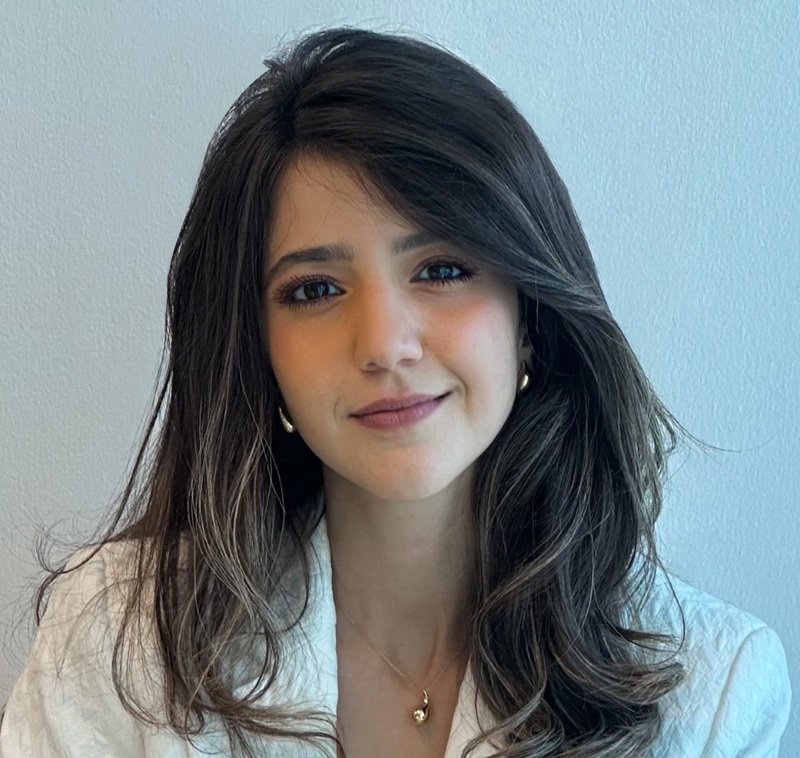
Rasha Al-Tekreeti is the founder and Creative Director of Warû, an interior architecture and strategic design agency that specializes in creating nomadic experiences across workplaces, hospitality venues, co-working spaces, and luxury residences. Passionate about the psychology of design and human-centric environments, her work has been featured in Dezeen and ArchDaily. She was named Women Icon of the Year at the Design Middle East Awards in 2025, and Warû was awarded Emerging Firm of the Year in 2023.
If you’re building a business and want to develop the judgment, communication skills, and commercial frameworks that come with structured founder support, the FRWRDx IDEA Program offers 14 weeks of mentorship, milestones, and a cohort of founders doing the same work. AED 3,000, zero equity.


