What I Would Do Differently in My First Year

The first time I showed Vybe Sprint to a real user, he stopped halfway and said, “I want to do this… but I can’t.”
He was pointing at something I thought was obvious.
I remember sitting there, explaining how it worked, almost defending the product. In my mind, this was already solved. But he was not wrong. From his perspective, the path was broken. That moment stayed with me, because I had spent months building before that, and no one had ever said something like this.
Not because the product was perfect. Because no one had used it.
Before Vybe Sprint, I was building Skoolna. I had started working on it seriously around the end of 2024. For months, I was deep in it, designing flows, structuring the experience, thinking through every detail. I wanted it to feel complete. I wanted it to make sense before anyone touched it.
I was telling myself I was being disciplined.
The truth is, I was avoiding exposure.
I did not want to show something half-done. I did not want confused reactions. I thought early feedback would slow me down or mislead me . So I kept going alone. Week after week, I refined things that no user had seen. I made decisions based on what I believed users would need.
Eight months passed like that.
I was working a lot. But I was not learning anything real.
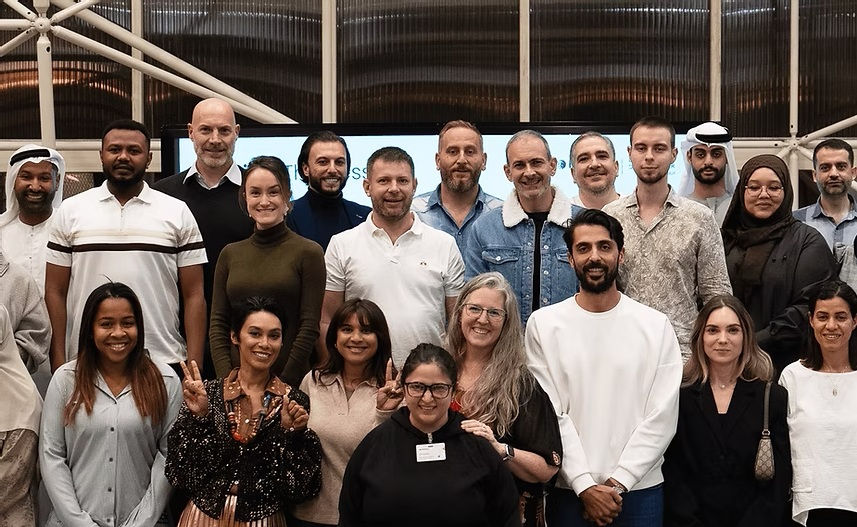
When I joined the FRWRDx IDEA Program, the way I was working got challenged fast. The message was simple and uncomfortable: talk to users early. Build with them. Not after you finish, but while you are still figuring it out.
I was telling myself I was being disciplined. The truth is, I was avoiding exposure.
At that point, the idea itself started to shift. Skoolna was reshaped into Vybe Sprint.
And I had a choice: either repeat the same pattern, or try something different.
This time, I gave myself two weeks to build something usable. Not complete, not polished, just usable. Then I put it in front of users.
That one decision changed everything.
The feedback I got was not what I expected. It was not high-level opinions or vague suggestions. It was direct, specific, sometimes uncomfortable. People tried to use the product and got stuck in places I thought were clear. They asked for things I had not considered. They ignored features I had spent time building.
During Skoolna, I was guessing what users might say. During Vybe Sprint, they were telling me.
And the biggest difference was not the feedback itself. It was what happened after.

When I went back to build the next version, I was not thinking, “What should I improve?” I knew what to fix. I had real points of friction. Real requests. Real confusion to resolve. I was moving with direction, not assumptions.
For the first time, I felt confident about what I was building. Not because it looked better, but because it matched what users were trying to do.
What I would do differently is not complicated. I would start those conversations months earlier. I would not wait until I felt ready. I would not try to make the product “make sense” in isolation.
I would accept that the first version will be incomplete. And that this is exactly why it needs to be seen.
In my first attempt, I treated feedback as something you collect after building. Now I see it as the input to building. Without it, you can stay busy for months and still be wrong.
There is also a mental shift that took me time to accept. Showing something early feels uncomfortable for a reason. You lose control. People misunderstand. They point out gaps. But that discomfort is where the real signal is.
Working in the UAE added another layer to this. There is pressure to look serious early. You deal with licensing, costs, expectations. It pushes you to build something that looks complete, something you can stand behind. I felt that pressure, and I responded by going deeper into building instead of stepping outside.
That was a mistake.
Looking complete is not the same as being useful.
If someone is starting now, there is one thing I would suggest: pay attention to what you are delaying. If you keep telling yourself “one more week” before showing your product, that is usually the thing you need to do now.
The goal in the first year is not to build something perfect. It is to understand what should exist in the first place.
Looking complete is not the same as being useful.
If I went back, I would still build Skoolna. I would still explore the same problem. But I would not spend eight months trying to get it right on my own.
I would get it wrong in front of users much earlier.
Because the moment someone struggles to use what you built and tells you why, you stop guessing. And that is where real progress starts.
Ahmed Tibin is the founder of Vybe Sprint, a platform that connects Gen-Z talent with SMEs through 14-day company sprints. He is an alum of the FRWRDx IDEA Program.
If this resonates, rolling applications for the FRWRDx IDEA Program are open. 14 weeks, 7 milestones, AED 3,000 — and you keep your company.