

What I Know About Pitching Now That I Wish I Had Known Before
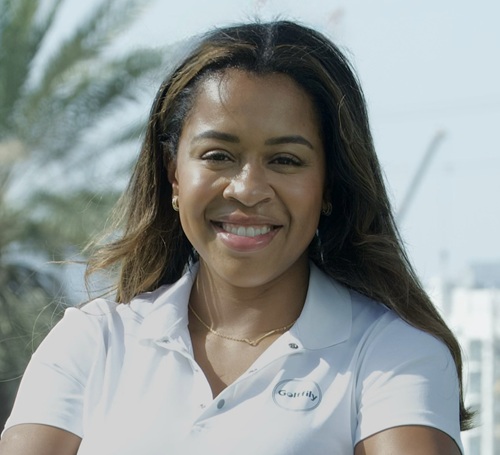
The first time I pitched Golf Hero (formerly Golffily), I thought my job was to deliver the perfect presentation.
I had rehearsed every slide. I knew the numbers. I had memorized the order of my story and practiced until I could get through it without looking at my notes like some sort of competition.
Within five minutes, none of it mattered.
Almost instantly, I recognized that I — more than anyone else — knew everything about my business. More than a perfect pitch, it was the conversation and showing my passion that really mattered.
Looking back, there are three things I completely misunderstood.
The Deck Is Not the Pitch
The first was believing that the deck was the pitch. I spent weeks polishing slides. Every chart was aligned. Every sentence was rewritten. I assumed that if the presentation looked professional enough, the meeting would naturally go well.
What I discovered was that the deck is only there to support the conversation. Investors don’t invest because Slide 12 looks impressive. They invest because they gain confidence in the founder sitting across the table.
Investors don’t invest because Slide 12 looks impressive. They invest because they gain confidence in the founder sitting across the table.
Now I prepare very differently. I still care about the deck, but I spend much more time preparing for the discussion around it. I ask myself, “What questions would I ask if I were investing my own money?” I practice explaining the business without slides because, sooner or later, that’s exactly what happens.
Honesty Builds More Trust Than Certainty
The second thing I got wrong was trying too hard to prove I knew everything. Whenever I was asked a difficult question, I felt I had to answer immediately. I thought saying “I don’t know” would damage my credibility.
Ironically, the opposite is true. Investors understand that early-stage companies don’t have every answer. What they’re looking for is whether you’re honest, thoughtful, and capable of solving problems as they arise.
One of the most valuable lessons I learned was that it’s perfectly acceptable to say, “That’s a great question. I haven’t tested that yet, but here’s how I’d validate it.” That answer builds far more trust than pretending certainty where none exists.
They Were Evaluating Me, Not the Product
The third lesson surprised me the most. I thought investors were evaluating the product. In reality, they were evaluating me.

Of course, they wanted to understand the business model, the market, and the opportunity. But they were also watching how I handled pressure, whether I listened carefully before answering, whether I became defensive when challenged, and whether I genuinely understood the problem I was trying to solve. It wasn’t an interrogation. It was a conversation about whether they could see themselves backing this founder for the next several years.
That completely changed how I approached pitching. Instead of trying to impress the room, I concentrated on explaining why I cared so deeply about the problem we were solving. That shift made every subsequent pitch feel more natural.
What Pitching in the UAE Taught Me
Pitching in the UAE taught me something else as well: relationships matter.
A warm introduction opens doors, but once you’re in the room, your preparation, honesty, and clarity determine what happens next. Investors speak to founders every day. They can quickly tell the difference between someone reciting a script and someone who truly understands their business.
The most valuable thing I could bring into the room wasn’t a polished deck: It was my true self.
If you’re about to walk into your first investor meeting, don’t aim to deliver a flawless presentation. Aim to have a great conversation. Know your numbers, but know your customer even better and be prepared for the questions that aren’t on your slides. Investors are looking for founders who can learn, adapt, and keep moving when the answers aren’t obvious.
Now I understand that the most valuable thing I could bring into the room wasn’t a polished deck: It was my true self.
Keila Doyle is the founder of Golf Hero, a UAE golf technology platform helping players track progress, improve performance, and connect with other golfers. She was a participant in Cohort 2 of the FRWRDx IDEA Program.
The FRWRDx IDEA Program takes employed UAE residents from idea to a first product in the market in 14 weeks. Milestone 7 — The Pitch— is dedicated entirely to convincing investors. AED 3,000. Zero equity.


