

What a Founder’s Financial Model Actually Needs to Show at the Idea Stage
Most founders I work with are perfectly comfortable building the product. The spreadsheet is what makes them uneasy.
It surfaces in the same responses. “Finance isn’t really my background.” “We’ll bring somebody in later.” “It’s too early to put numbers on this.” I understand the reluctance, but a model at this stage does not belong to the accountants. It is the economic realization of your decisions: what to charge, what it costs to deliver, what you will spend to win a customer, and how much you need to survive while you find out whether it works. You are already making those decisions. The question is whether you are making them on purpose, and whether they are the right ones.
Cost Isn’t Just the Obvious Items
Price gets a lot of attention, and deservedly so. But many first-timers settle just under the cheapest competitor rather than ask what it is worth to the buyer. Discounting is a decision too, and potentially an expensive one: what does it say about the brand? And if you cut a 100-dirham price by a quarter when it costs 70 to deliver, you’ll keep five instead of 30.
But the side of the model founders consistently underestimate is cost.
Start with what a single sale’s costs. Founders name the obvious cost items and stop. When I was at Sweetheart Kitchen, food was the obvious cost and never close to the whole story. There was packaging, the delivery platform’s commission, the payment fee, labor, electricity, licenses... There was food wastage, which sounds like a rounding error until you multiply it by every order you will ever make. Individually, each looked manageable. Together, they decide whether an order was profitable.

The customer also had to come from somewhere, and that belongs in the same equation. Every customer costs something to win that first sale: an advertisement, a commission, a discount, an afternoon of your time. If you keep 30 dirhams on a sale and it cost 90 to bring that person in, the first three purchases only repay the introduction. The business only exists if there is a fourth and more. Only a model can help you understand this dynamic.
Then, some costs arrive whether or not you sell anything, and here they typically arrive early: the software, business setup costs, visas, deposits, equipment. A landlord who wants the year up front, a supplier who wants payment in advance because you have no history. These costs look small one at a time but are not small together.
And there’s the cost almost every first model leaves out: you. A plan that works only because the founder takes nothing is not yet a business; it is a project subsidized by your salary. Put in a realistic figure for what you need to live on, even if you have no intention of drawing it this year. If the numbers only work while you work for free, you have not found out whether they work.
Test Every Assumption
All of the above is why the model has to show cash for the next 12 to 24 months, not profit alone. The delay between doing the work and being paid can take days, weeks, months, so for that stretch, you are financing your customers. A business can look profitable and still miss payroll. Get it as close to right as you can, then add a buffer, because you will be wrong, and founders seem to be wrong in the same direction every time. It typically costs more and takes longer than you expect.
Take each assumption, move it 10% the wrong way, and watch the total. That tells you more than any forecast.
When you ask somebody for money, you will think you are being assessed on your idea, which you are, but they are also assessing you. Nobody who has invested for long believes idea-stage projections. What they read is whether you understand your own costs well enough to be trusted with capital they cannot get back.
Where to Start
If the spreadsheet has been sitting untouched, start with the numbers you think you know already. What you charge and the volume you need. What one sale costs you. What you spend to find a buyer. What it takes to keep going for two years.
Finance is not a separate discipline you must acquire before you are allowed to run a business. It is a record of decisions you are already making or plan to make. Modelling them is how you determine whether you are making smart ones.
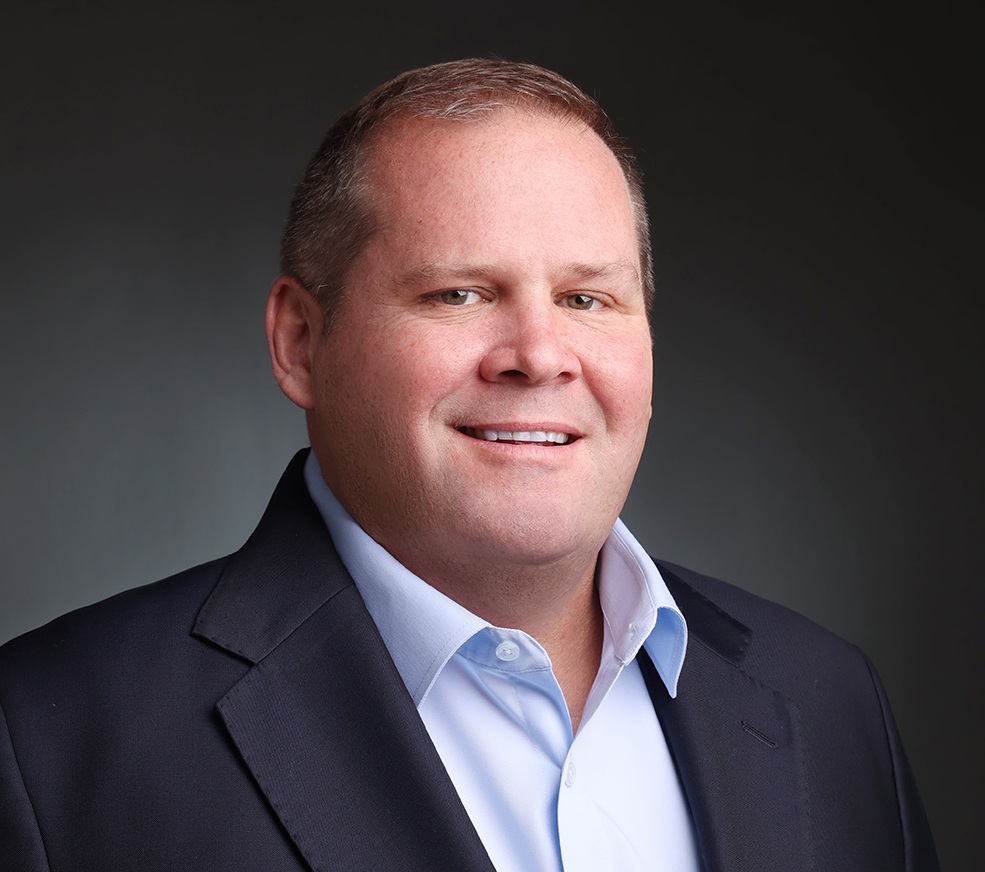
Brian Grieser is a finance executive with 25 years’ experience supporting large corporations and startups around the world. He runs DRS Engineering’s finance and commercial operations and was CFO and later CEO of Sweetheart Kitchen, a cloud kitchen business operating in the UAE and Kuwait. Brian works directly with founders in the FRWRDx IDEA Program.
The Money milestone in the FRWRDx IDEA Program is built around exactly this process — unit economics, cash flow, and pricing strategy, with a 1-on-1 session to pressure-test the model before you invest further. Rolling applications are open. 14 weeks, AED 3,000, zero equity.


