What Building a HealthTech Startup Taught Me Before I Ever Raised a Dollar
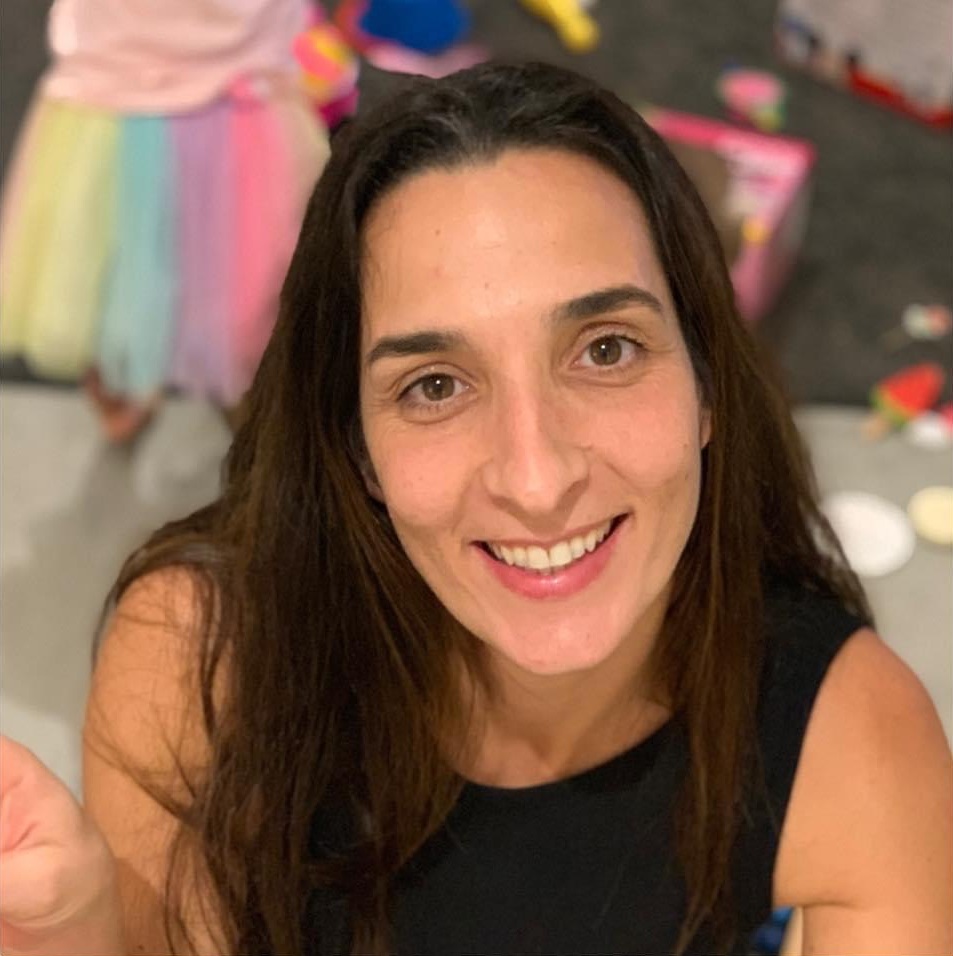
10 lessons from a clinician learning to become a founder.
People often ask me what it was like going from working in a hospital to building a startup.
The truth is, I never set out to become an entrepreneur.
I’ve spent nearly 20 years as a clinical neurophysiologist, caring for patients and working alongside neurosurgeons in the operating room. My job has always been about helping people through some of the most vulnerable moments of their lives. I genuinely enjoy listening to their stories, making them feel at ease, and knowing that, in some “small” way, I’ve made a difficult day a little easier.
Looking back, I think someone saw it before I did.
A friend once said to me, “You’re really a people’s person, aren’t you?” At the time, I smiled and moved on. It wasn’t until I founded Glym. that I finally understood what she meant.
My entrepreneurial journey began in early 2024 while I was studying for my MSc at the University of Edinburgh. It started quietly, with online workshops, books, podcasts, and trying to understand what this whole startup world was about.
Then I joined Power Her Up, a program created by Danielle Trudeau in Edinburgh. Every week, a small group of women came together to share ideas, celebrate wins, admit frustrations, and encourage one another. For the first time, I thought, “Maybe I could help people in a different way.”
Later that year, I joined the FRWRDx program, which completely changed how I approached my idea. Suddenly, I wasn’t just thinking about a product; I was researching the market, interviewing potential users, understanding regulation, studying competitors, validating assumptions, and eventually building my first MVP. With the support of mentors and experts, I developed a brand identity, a website, social media, a clear mission, and something tangible that I could put in front of real people.
When my MSc became more demanding, I paused the startup.

At first, it felt like I was losing momentum.
Now I realize that pause was one of the best things that could have happened. It gave me time to think, reflect, and understand that although I’m not investor-ready yet, I’ve already learned some of the most important lessons about the kind of founder I want to be.
Here are the ten that have stayed with me so far.
1. Passion gets you started. Skills keep you going.
I started Glym. because I care deeply about brain health and genuinely wanted to help people long before they reached a hospital.
I thought passion would carry me.
It doesn’t.
Building a company requires skills I had never needed before: marketing, finance, customer discovery, branding, sales, negotiation, leadership... and perhaps the hardest skill of all: the humility to admit what you don’t know.
The good news? Every one of those skills can be learned.
2. Perfection was my biggest disadvantage.
Healthcare trains you to pursue excellence.
In my profession, decisions can influence whether someone walks, speaks, or moves after surgery. There is very little room for error.
Startups work differently.
You learn by building, testing, listening, and improving. Progress matters more than perfection.
Victor [Kiriakos, founder and CEO of FRWRDx] said something I’ll never forget: “If you’re not embarrassed by your first product, you’ve launched too late.”
It made me uncomfortable.
Now I completely understand what he meant.
3. I had to learn how to be wrong again.
For almost 20 years, I had become the expert in the room.
Suddenly, I was the beginner.
Receiving honest feedback wasn’t easy — not because people were unkind, but because I wasn’t used to hearing that my ideas weren’t quite right.
Over time, I realized feedback isn’t a judgement of you.
It’s one of the greatest gifts someone can give you.
4. Your first idea is rarely your best one.
I used to think entrepreneurship meant protecting my vision.
Now I think it’s about protecting my curiosity.
Customers will surprise you.
The market will surprise you.
You will surprise yourself.
The willingness to adapt isn’t a weakness; it’s how good ideas become useful ones.
5. Build with people who share your values.
Skills matter.
Character matters more.
Choose people you genuinely enjoy working with. Have honest conversations early about expectations, responsibilities, and what happens if things don’t go as planned.
Disagreements are inevitable.
Misaligned values don’t have to be.
6. Protect your culture from day one.
One piece of advice I’ve heard repeatedly is: hire slowly, fire quickly.
I don’t have enough startup experience to know whether that’s always true.
But after nearly two decades in healthcare, I do know this: one toxic person can affect an entire team.
Culture isn’t built when you have 50 employees.
It’s built with the very first one.
7. Don’t spend money you haven’t earned.
It’s tempting to believe that spending more will make you move faster.
Sometimes it does.
More often, it simply makes mistakes more expensive.
Validate first.
Learn first.
Then invest.
8. Your body keeps the score.
Nobody warned me how physically demanding startup life could be.
Hours disappear behind a laptop.
You forget to move.
Your back reminds you.
Stretch.
Walk.
Exercise.
Those ten-minute breaks you think you don’t have are probably the most important minutes of your day.
9. Don’t sacrifice your health to build your business.
This may be my most unpopular opinion.
Many founders say balance doesn’t exist.
Maybe they’re right.
But after nearly two decades working in healthcare, I’ve seen too many successful people discover that health is the one thing money can’t buy back.
I’ve cared for CEOs, executives, and people who had achieved everything they thought they wanted.
When illness arrives, priorities change instantly.
For me, no business is worth sacrificing my wellbeing.
10. Success means very little if you lose the people you love.
People often say it’s about the journey, not the destination.
I think it’s about who walks the journey with you.
Protect your family.
Protect your friendships.
Protect the people who believed in you long before anyone else did.
Life can change in a second.
No investment round, title, or successful exit will ever replace the people waiting for you at home.
I’m still learning.
I’m not investor-ready yet. I haven’t raised funding, and I certainly don’t have all the answers.
But this journey has already changed me in ways I never expected.
It hasn’t just taught me how to build a startup.
It has taught me how to become a beginner again.
And perhaps that’s been the greatest lesson of all.
If you’re standing at the edge of something new, wondering whether you’re ready, maybe the answer isn’t to wait.
Maybe it’s simply to begin.
Vânia Pinto is a neuroscientist, mother of two, and the founder of Glym., a brain health project born from her years caring for people affected by devastating neurological diseases.
Originally from rural Portugal, Vânia moved to London to build her career in neuroscience before relocating to Abu Dhabi, where she helped establish the Neurophysiology service at the UAE’s first state-of-the-art Neurological Institute. She recently completed an MSc in Stem Cells and Translational Neurology at the University of Edinburgh.
Her work is driven by a simple belief: we shouldn’t wait for brain disease to happen before we start protecting our brain health. Through Glym., she explores how science, technology and everyday choices can empower people to act earlier and build healthier brains for life.
Her vision: a world where brain diseases are preventable and everyone can age with clarity, vitality, and purpose.
Vânia built Glym. while enrolled in the FRWRDx Cohort 1. The program is open for rolling applications.