

How I Built My Customer Persona Before I Had a Product
I’ve always built things the way I know best: from instinct. If I like something, if I’ve experienced it, or if I’ve seen a behavior that makes sense to me, I usually start there. That has always been my natural entry point into ideas.
Layered started the same way. I loved the idea of accessorizing my phone — not just putting a case on it, but adding charms, textures, and details that made it feel personal. I had seen this behavior in Asian markets, where stacking and mixing turned everyday items into something unique. This was reinforced by personal experience; I remember the panic of losing my phone, which holds your photos, messages, and identity. Even losing my keys once taught me that having something identifiable and mine made all the difference. So, the idea felt obvious: build something that gives people that same sense of ownership.
But then I was challenged on the “who.” My immediate answer was broad: myself, Gen Z, creative women. I was using myself as a shortcut, thinking inside an isolated bubble. While I am one version of the customer, I am not the core customer. Understanding who would actually buy this — why they would care and how they shop — required a shift in behavior.
That is where FRWRDx came in. The program forced me to slow down and stress test the idea across every part of building a business. It wasn’t just about whether Layered looked nice on paper, but whether it could connect with a customer commercially. Instead of assuming, I started confirming.

The journey to data-driven confirmation began with my sister, the embodiment of Gen Z. From there, I spoke to university students, noticing how their laptops and bags were signals of their style. I eventually ran a survey with 60 people through WhatsApp groups. I wasn’t just asking if they would buy it; I was asking where they currently shop and what frustrates them.
The responses were illuminating. People felt their options in the UAE were generic and repetitive, often limited to places like Shein or mall kiosks. One person noted that everything looks the same, while another wished they could build a case instead of choosing what was already there.
“She was no longer a template in my head; she became someone with agency and specific needs.”
This research made the customer persona real. She was no longer a template in my head; she became someone with agency and specific needs.
This transition from instinct to evidence changed how I built Layered. It was no longer just about selling accessories; it became about giving people the tools to shape something that reflects them. Choosing, stacking, and mixing elements became the core behavior — not just a feature, but a way of giving the customer control.
If you identify as the customer, it gives you a strong starting point and clarity, but it is not enough. You have to step outside of yourself, ask better questions, and watch how people behave. A customer persona is not something you fill in once; it is something you build over time. That process is what moved Layered from an idea I liked into something built for someone I truly understand.
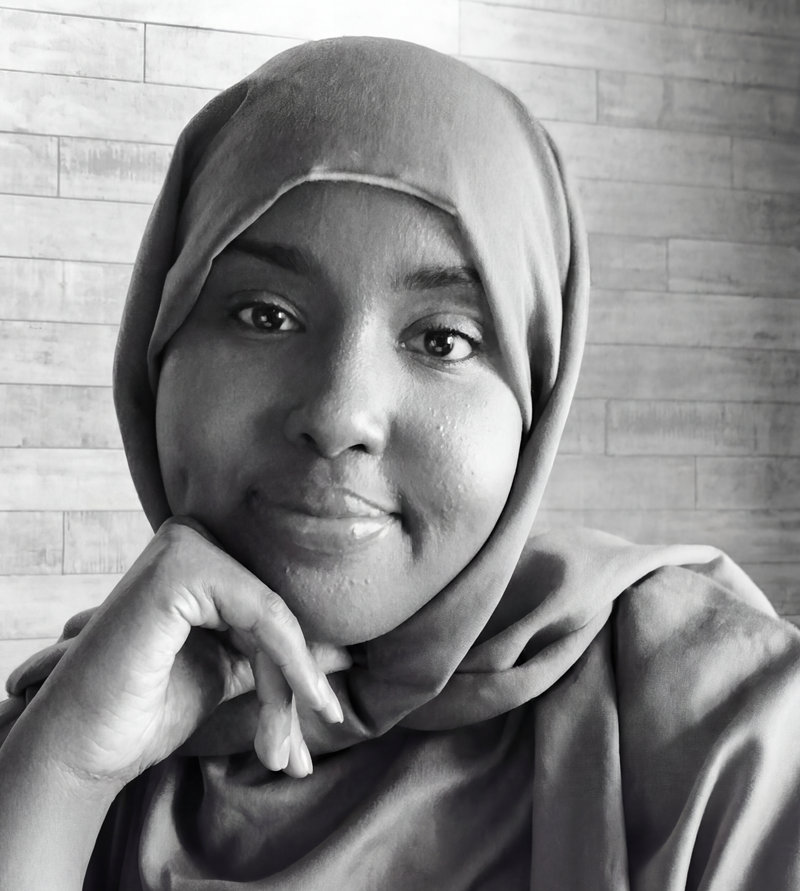
Sawsan Abdillahi is the founder of Layered, a platform where people build their own phone accessories piece by piece. Sawsan is a Cohort 2 alum of the FRWRDx IDEA Program.
Sawsan built Layered inside the FRWRDx IDEA Program. Rolling cohort applications are open. 14 weeks, 7 milestones, AED 3,000 — and you keep your company.


